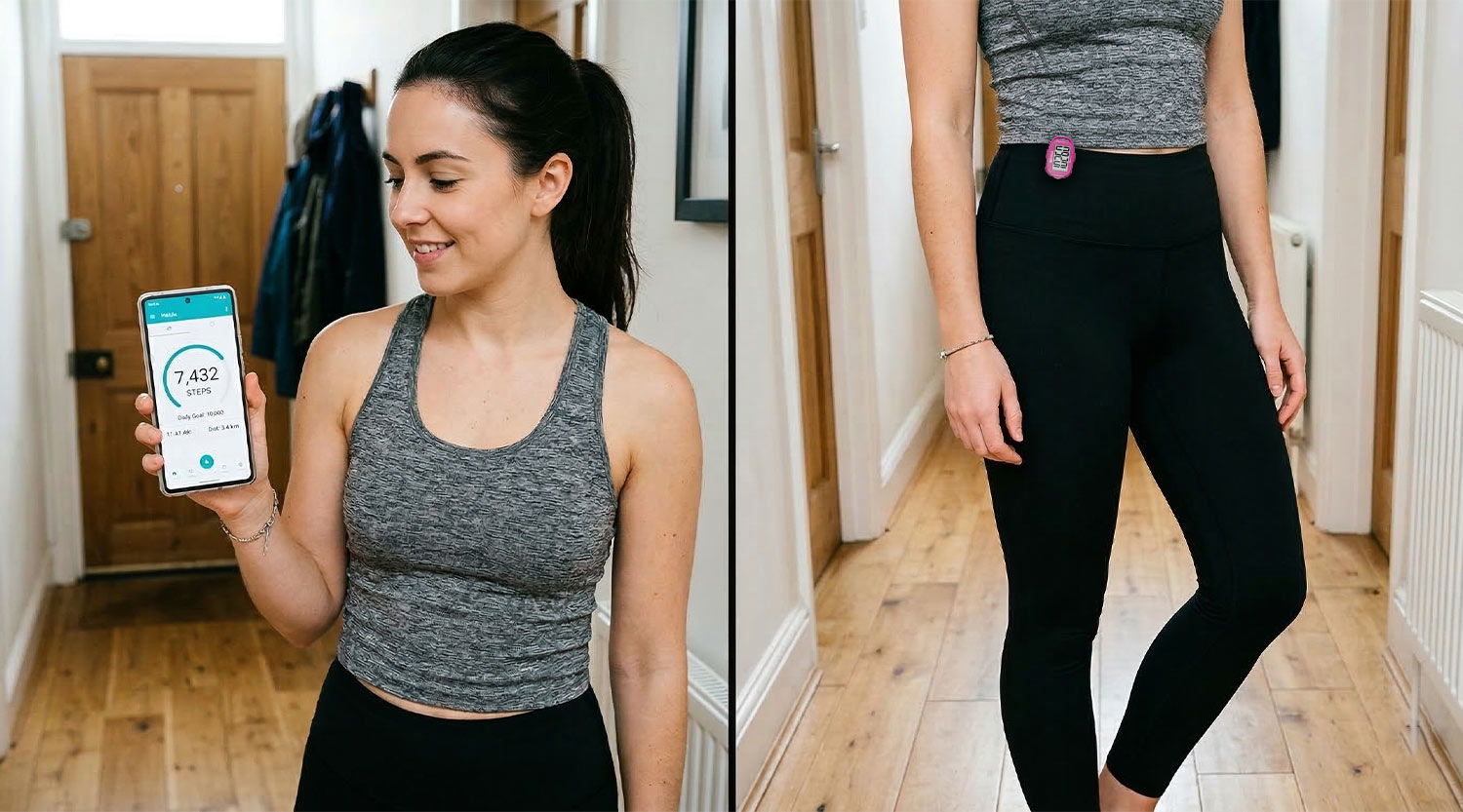
Finish dinner. Sit on the sofa. Repeat. It's one of the most universal evening routines in the UK - & one of the most quietly damaging ones. That window right after eating is when blood sugar peaks, digestion stalls & cortisol lingers. The fix is surprisingly small: a 10-minute walk. Here's exactly what it does to your body & how to make it a habit that actually sticks.
What Happens to Your Body After Dinner
When you eat, your body converts carbohydrates into glucose & releases it into your bloodstream. Blood sugar rises - that's normal. The problem is when it rises too high & stays there too long.
Walking interrupts this directly. Your muscles pull glucose from your blood during every step - independently of insulin. A 2025 study in Scientific Reports found that a 10-minute walk immediately after eating cut peak blood glucose by 9%, matching the benefit of a 30-minute walk done 30 minutes later. Beyond blood sugar, evening walking improves digestion, reduces evening cortisol & signals melatonin - all of which feed directly into sleep quality.
Post-Dinner Walking: What Each Habit Delivers
| Habit | Key Benefit | Time Needed |
|---|---|---|
|
10-min walk right after dinner |
Cuts post-meal blood sugar spike - same effect as a 30-min walk |
10 minutes |
|
20-min brisk walk within 30 mins |
Improves digestion, reduces bloating |
20 minutes |
|
30-min evening stroll before bed |
Lowers cortisol, signals melatonin, improves sleep |
30 minutes |
|
Consistent daily post-dinner walk |
Sustained HbA1c reduction, better weight management |
10-30 mins/day |

A Simple 4-Week Evening Routine
-
Week 1: 10-minute walk right after dinner is all it takes pace doesn’t matter, just go.
-
Week 2: Extend to 15 minutes. Pick up the pace slightly - warm but comfortable.
-
Week 3: Push to 20 minutes at a brisk pace. Track your steps when you return.
-
Week 4+: Aim for 20-30 minutes most evenings. On busy nights, 10 minutes still counts.

Tips to Make It Stick
-
Walk within 30 minutes of eating. Blood sugar peaks at 60-90 minutes - move before it climbs.
-
Same trigger every night. Tie the walk to a cue (putting the plate away, a show ending) to automate the habit.
-
Track your steps. Seeing a number - even 1,400 steps - gives your brain a daily reward that reinforces the routine.
-
Don't skip for bad weather. A light jacket by the door removes the main excuse on a drizzly Tuesday.
A Few Things to Be Aware Of
-
After a heavy meal, give it 10 minutes before heading out habits that improve sleep quality. Power walking on a very full stomach can cause discomfort.
-
If you experience acid reflux, keep the pace gentle & avoid lying down immediately after returning.
-
Evening walks in winter mean low visibility - wear something reflective near roads.
-
If you're managing diabetes & on medication, monitor how post-dinner walks affect your evening glucose readings.

FAQ's
-
How soon after dinner should I walk?
Within 30 minutes if possible. That's before the blood sugar peak at 60-90 minutes. But any walk - even one that starts later - is still beneficial.
-
Does a 10-minute walk really make a difference?
Yes. A 2025 peer-reviewed study confirmed that 10 minutes immediately after eating delivers the same blood sugar reduction as a 30-minute walk done later. Short & timely beats long & delayed.
-
Will evening walks help me sleep better?
They can. Walking lowers evening cortisol &, when done in natural light, helps trigger melatonin production. Most people report falling asleep more easily after building a consistent evening walk habit.
-
I'm on diabetes medication - is this safe?
Walking is beneficial for blood sugar management, but it can lower glucose further when combined with insulin or sulphonylureas. Monitor your levels & carry fast-acting carbohydrates. Check with your GP if unsure.
-
What if I only manage a 5-minute walk?
It still counts. Any movement after a meal is better than none. Several studies show that even brief activity breaks after eating measurably reduce post-meal glucose compared to sitting still.
Know Your Numbers - That's Where the Habit Starts
Most people who don't sustain a walking habit aren't lacking motivation - they're lacking feedback. The 3DFitBud Simple Step Counter clips to your waistband & gives you an honest step count every evening - no phone, no app, no charging needed. Seeing that number when you get back is the small daily reward that makes this habit stick.
Shop the 3DFitBud Now