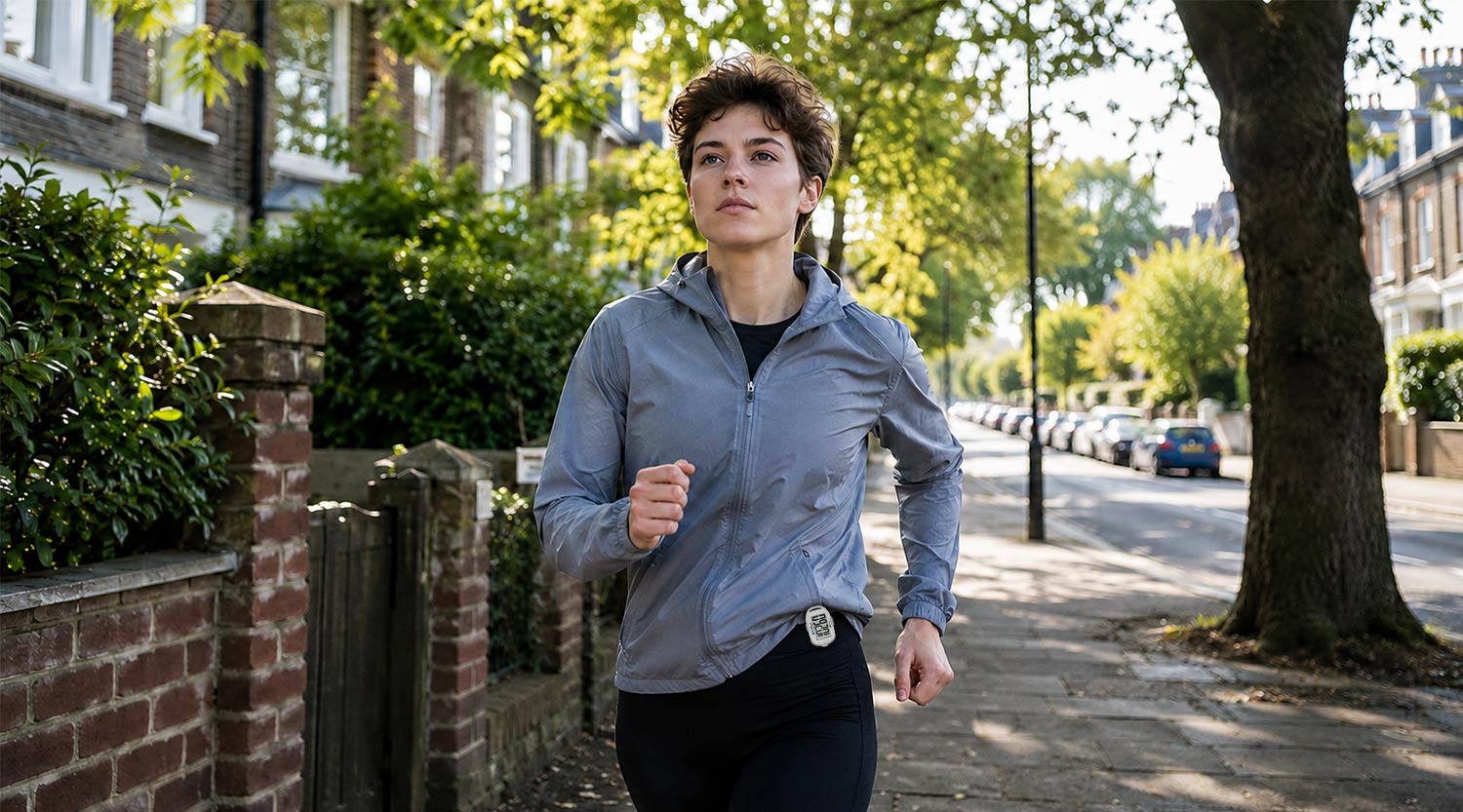
Most people quit a walking challenge by day nine. Not because walking is hard, but because the plan they picked was never built for a real Tuesday with a packed inbox & rain coming sideways.
Why Most 30 Day Challenges Fail
Here's the problem with nearly every 30 day walking challenge UK guide you'll find online: they all start you at 10,000 steps on day one. That's ambitious. It's also exactly why people fall off by week two. Your body needs a runway, not a cliff jump.
Most challenge guides also ignore weather, work schedules, & the fact that motivation dips hard around day seven - every single time. The ones that survive accept this & plan around it instead of pretending it won't happen. A daily step challenge that respects your starting point beats a flashy one that doesn't, every time.
And there's a tracking problem too. People guess their steps. They round up. They lose count by Wednesday & give up by Friday. Without a number in front of you, the whole thing becomes a vague intention rather than a habit.

The Actual 30-Day Step Plan
This is a walking challenge for beginners that builds gradually, week by week, instead of demanding too much too soon.
-
Week 1 - Start at 4,000–5,000 steps daily. This is your baseline. Don't add anything fancy, just walk more than you currently do.
-
Week 2 - Push to 6,000–6,500 steps. Add one slightly longer walk, maybe 20 minutes after dinner.
-
Week 3 - Move to 8,000 steps. Split it across the day - morning walk, lunchtime loop, evening stroll.
-
Week 4 - Reach 9,500–10,000 steps. By now your legs know what's coming. Trust the process.

|
Metric |
Week 1 |
Week 4 |
|---|---|---|
|
Daily steps |
4,000–5,000 |
9,500–10,000 |
|
Approx. distance |
2–2.5 miles |
4.5–5 miles |
|
Estimated calorie burn |
150–200 kcal |
350–450 kcal |
|
Expected feel |
A bit of effort, slightly tired legs |
Energised, walking feels automatic |
A step counter for walking challenge progress like this makes a real difference here. Once you can see the number climbing instead of guessing at it, you stop negotiating with yourself about whether today counts. The 3DFitBud handles this without any of the bother - no charging, no app to babysit, just a clear LCD number you check & move on with your day. Pair it with the clip-on & you forget it's even there until you glance down.
Tips For Staying Consistent
Don't rely on motivation. It runs out. Build the walk into something you already do - after your morning coffee, during a phone call, right before dinner. Stack it onto an existing habit & it sticks.
Skip the all-or-nothing trap. Missed a day? Fine. Pick it back up tomorrow. One missed day doesn't undo three weeks of consistency, but quitting over it will.
Track weekly totals, not just daily ones. Some days will be lower. That's normal. What matters is the trend across seven days, not whether Tuesday hit the target. This is also how to build a walking habit UK weather actually allows for - flexible enough to survive a wet week in March.
Walk somewhere different once a week. Same route every day gets boring fast, & boredom kills habits quicker than soreness does.

FAQ's
-
Do I need to hit the step target every single day?
No. Aim for the weekly average rather than perfection daily. Some days will be lower because of work or weather, & that's completely normal. What actually builds the habit is consistency across the week, not a flawless streak. Missing one day & continuing the next matters far more than never missing at all.
-
Can I do this challenge if I have a desk job?
Yes, & it's actually where this plan helps most. Split your steps into three or four shorter walks - morning, lunch, evening - rather than trying to find one long block of time. A five-minute walk every couple of hours adds up faster than people expect, & it breaks up sitting time too.
-
What if week one feels too easy?
Stick with it anyway. The early weeks aren't about challenge, they're about consistency. Jumping ahead too fast is exactly how people burn out by day ten. Let your body adjust gradually. Week three & four get noticeably harder, so there's no benefit to rushing the start.
-
Do I need special shoes for this?
No. Any comfortable, well-fitted trainers you already own will do. You don't need cushioned running shoes or anything technical for walking at this pace. Comfort matters more than brand or price - if your feet feel fine after 30 minutes, you're set.
-
How do I know if I'm actually hitting my targets?
You need something tracking the number, because guessing almost always means underestimating. A simple pedometer clipped to your waistband or worn on a lanyard removes the guesswork entirely & gives you a clear daily figure without draining a phone battery or syncing to anything.
Ready to start tracking instead of guessing?
The 3DFitBud Step Counter gives you a clear daily number with zero charging & zero fuss - clip it on day one & watch the figure climb across all 30 days.
Shop the 3DFitBud Now