The scale measures one variable in a system with dozens, and it tells you almost nothing about what is actually changing week to week. Most of us know this already. We watched diet culture fall apart in real time. And yet most fitness advice still leads with a number on a bathroom floor.
This one doesn't. Here's what daily walking actually does to your body in your 20s and 30s, and why the changes worth caring about often don't show up on a scale at all.
What's Actually Changing When You Walk Every Day
Body composition is the ratio of fat to muscle in your body. It decides how your clothes fit, how you feel and how your metabolism runs. A bathroom scale can't see any of it.
Visceral fat drops first. That's the fat packed around your organs, not the kind you can pinch, and it's the kind that drives inflammation. A 2024 dose-response meta-analysis of 116 trials found that regular aerobic exercise reduces visceral fat, waist circumference and body fat percentage, with body weight changing far more modestly than any of them. You won't spot that on a scale. You'll notice it in your waistband.
Muscle density increases. Brisk walking and inclines build slow-twitch fibre through your glutes, hamstrings and calves. Muscle is denser than fat, so you can lose fat, gain muscle and watch the number stay flat while your body composition genuinely improves. That isn't a comforting myth. It's the most common outcome for people who start walking daily.
Your appetite settles. This is the part nobody mentions. Regular aerobic activity improves insulin sensitivity, which smooths out blood sugar spikes and takes the edge off reactive hunger. You don't restrict anything. The body simply regulates better when it's moving.
What Eight Weeks Actually Looks Like
|
What changes |
Week 1 |
Week 4 |
Week 8 |
|---|---|---|---|
|
Visceral fat |
Baseline |
Reducing, invisible on the scale |
Measurably lower |
|
Energy |
Unchanged |
Steadier through the afternoon |
Fewer crashes |
|
Sleep |
Little change |
Falling asleep faster |
Deeper, better recovery |
|
Appetite |
Unchanged |
Fewer hunger spikes |
Less reactive eating |
|
Daily steps |
Wherever you are now |
6,000–7,000 |
8,000–9,000 |

A Six-Week Plan With Nothing Counted
-
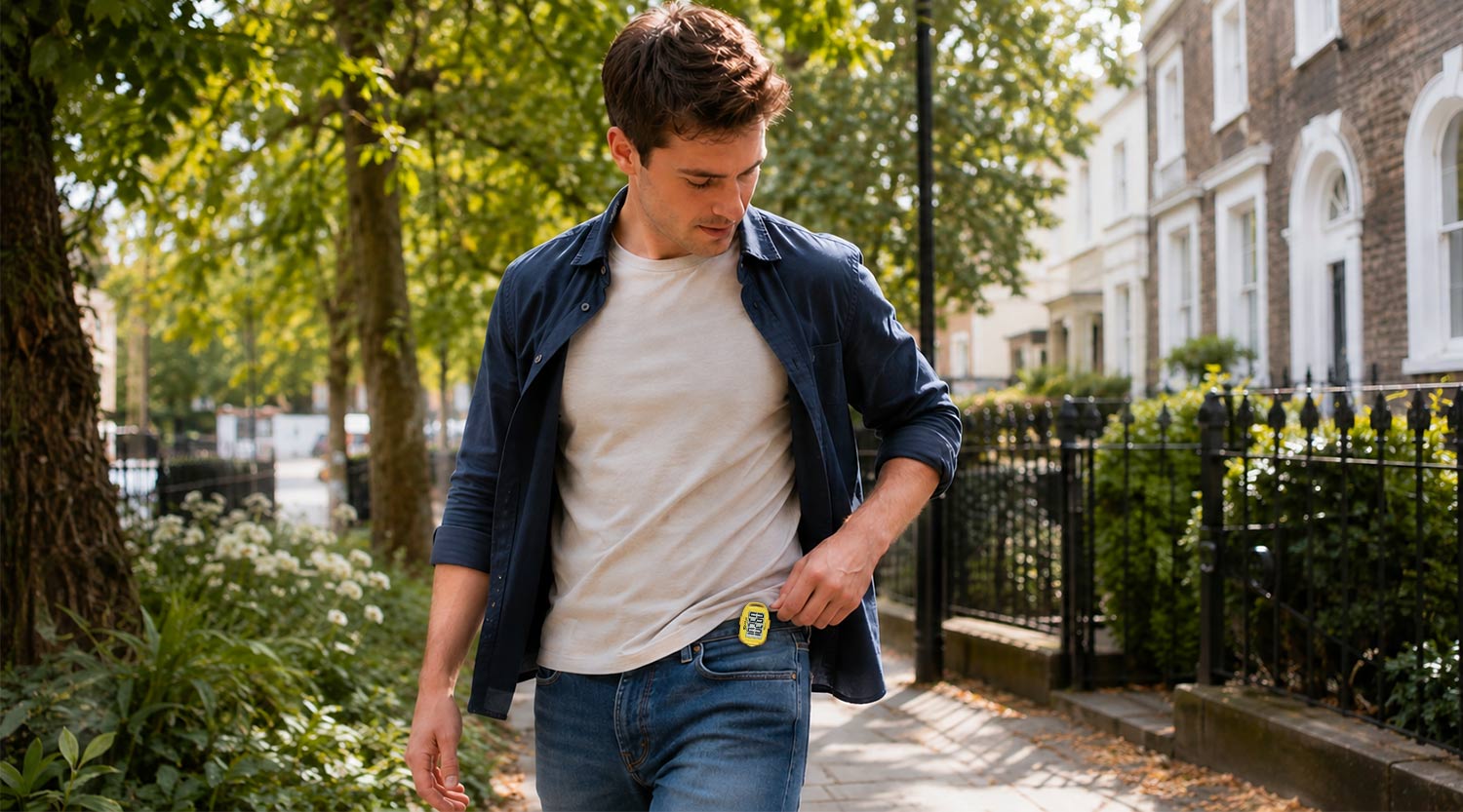
Weeks 1 and 2: build the floor. Six thousand steps a day. Change nothing else, not your diet, not your training. Get the habit in before you add a second variable. Track it with something accurate, because a waist-worn step counter beats a phone that only counts what's in your pocket.
-
Weeks 3 and 4: add pace and hills. Same 6,000 target, but two or three sessions brisk enough to feel warm and slightly breathless. Brisk walking counts toward the 150 minutes of moderate activity adults are advised to get each week. Inclines load your glutes differently from flat ground, and that's where composition starts shifting.
-
Weeks 5 and 6: push toward 8,000. Watch the weekly total rather than any single day. A pedometer with 30-day memory, like the 3DFitBud, lets you see the pattern without an app or a spreadsheet.
-
After that, maintain. The changes that matter most happen between months two and six. A steady season beats two brilliant weeks followed by nothing.

Three Things to Ignore
-
The scale, for the first eight weeks. Weigh yourself if you like, just don't treat it as the signal. How your clothes fit is better data.
-
The advice to fix your diet first. Maybe eventually. Adding that in week one is how people overwhelm themselves and quit by week three, and most of what gets sold as a shortcut is a fad diet with a short shelf life. The appetite effect does some quiet work on its own.
-
Anyone who lost weight faster. Rapid early loss is mostly water and glycogen. Six months out, the steady walkers are still walking.

FAQ's
-
Can walking change my body if I don't change what I eat?
Yes, within reason. Daily walking cuts visceral fat, builds lower-body muscle and steadies the hormones behind your food choices. The scale may not move much. How your clothes fit and how your energy holds up almost certainly will, inside eight weeks.
-
How many steps do I actually need
Around 7,000 to 8,000 a day is where the metabolic changes start stacking up. Below 5,000 the effect is thin. Pace and body weight shift the exact number, which is why measuring beats estimating.
-
Why bother with a pedometer at all?
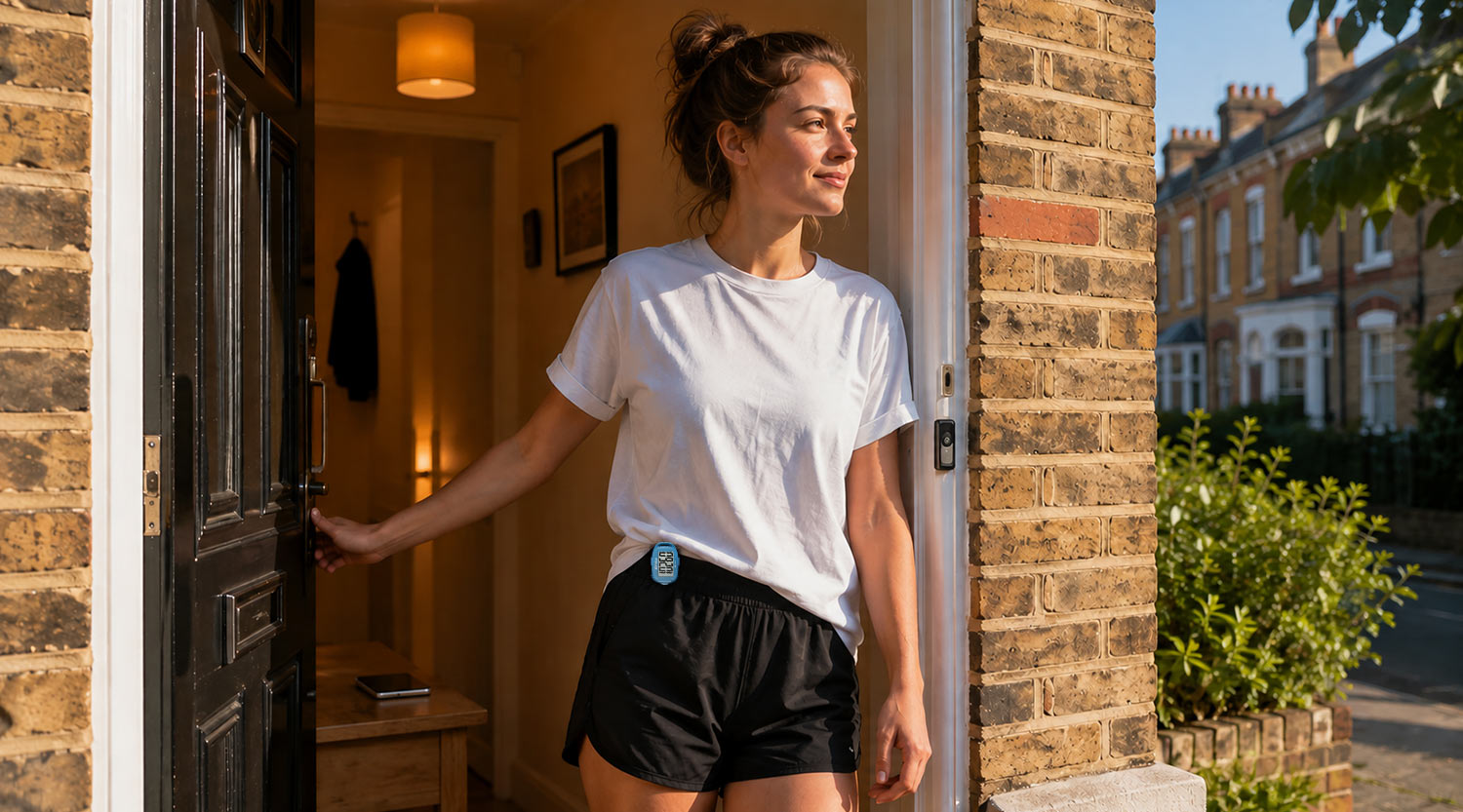
Because without a number you'll overestimate your quiet days and get no credit for your busy ones. People who track steps walk more, not from pressure but from awareness. A waist-worn pedometer like the 3DFitBud counts all day, not just during deliberate walks.
-
Two weeks in and the scale hasn't moved. Should I worry?
No. That's the normal outcome. Fat down, muscle up, number flat. Give it six weeks before you read anything into it, and trust your clothes in the meantime.
-
Does pace matter?
Yes, but less than consistency. Brisk, meaning warm and slightly breathless but still able to talk, produces better results than a stroll of the same distance. A daily stroll still beats an occasional hard session followed by days of nothing.
Track What's Actually Changing
The changes daily walking produces don't show up on a scale. They show up in your step count week on week, and in how you feel by four in the afternoon. The 3DFitBud Simple Step Counter clips to your waistband and gives you an honest daily total. No phone, no app, no charging. The number that matters isn't your weight. It's how many steps you took today compared with last Tuesday.
Shop the 3DFitBud Now