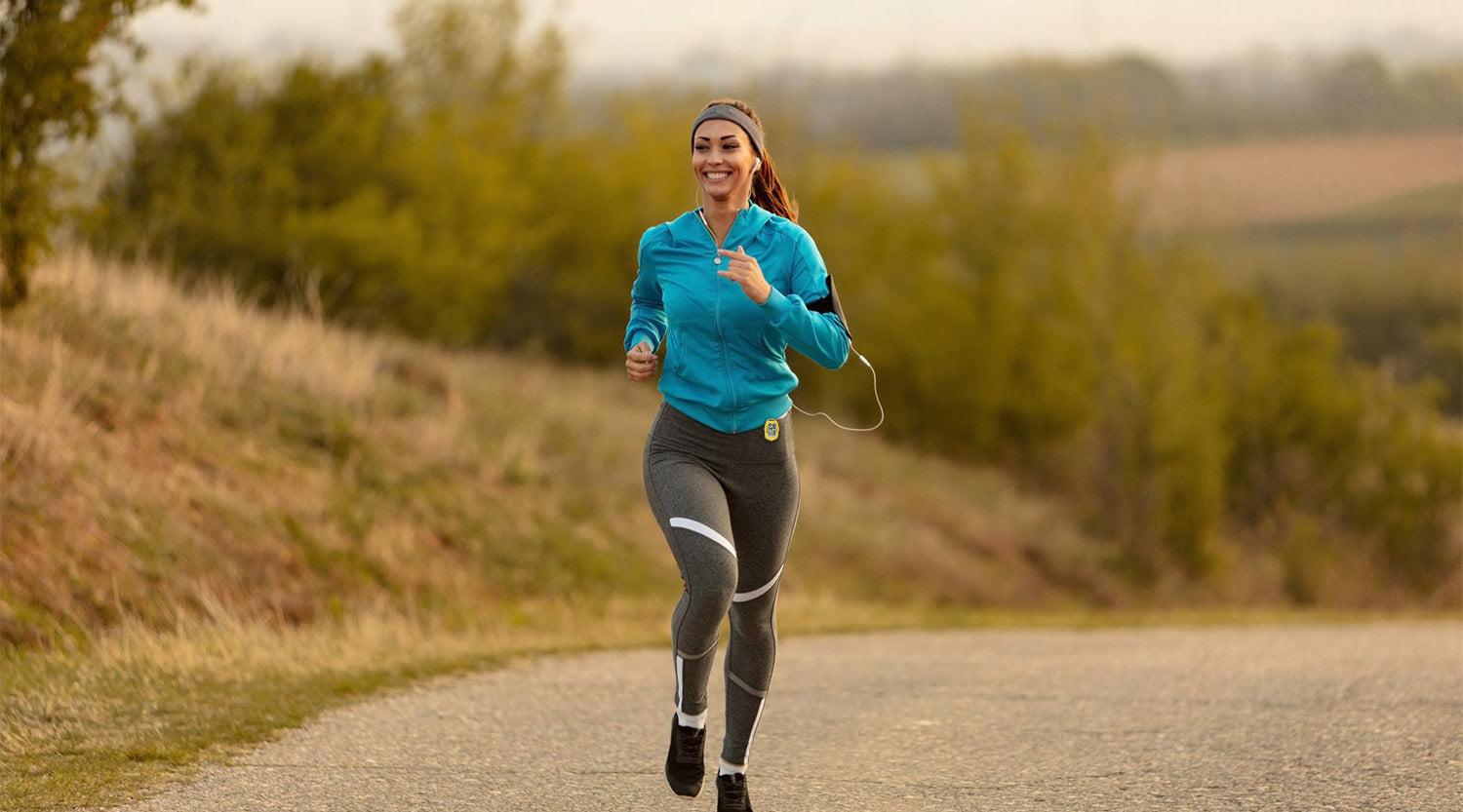
You know that feeling where your brain just won't switch off? The restless, low-grade dread that follows you from the kitchen to the sofa & back again. Millions of people in the UK sit with it every single week - one in six adults, according to Mind. Most reach for their phone. A few pour a glass of wine. But the most effective thing you can do is sitting by your front door. Your trainers.
Here's What's Actually Going On
The bit of your brain that keeps firing the alarm - your amygdala - starts to quiet down within about ten minutes of walking. Blood moves toward your prefrontal cortex instead. That's the part that can reason through a worry rather than just panicking about it.
Keep going for twenty minutes & your brain releases BDNF - a protein that literally repairs neurons damaged by chronic stress.A 2024 meta-analysis in JMIR Public Health Surveillance reviewed multiple randomised controlled trials & found walking cut anxiety symptoms significantly - with effects that held up against structured active therapies. Not breathing exercises. Not supplements. A walk.
Worth noting for this week specifically: longer spring evenings mean more natural evening light, which directly suppresses cortisol. BST starting on Sunday isn't just a clock change - for your nervous system, it's actually useful.
What Happens at Different Durations
| Walk Duration | What's Happening in Your Brain | Japanese Walking Group |
How You'll Feel |
What's Happening in Your Brain |
How You'll Feel |
|---|---|---|
|
10 minutes |
Cortisol starts dropping, blood moves toward prefrontal cortex |
The worst of the edge comes off |
|
20-30 minutes brisk |
Endorphins release, amygdala activity dials down, BDNF kicks in |
Noticeably calmer for 2-4 hours after |
|
Daily - 1 to 2 weeks |
Stress hormone baseline starts to lower |
Less reactive to everyday triggers |
|
Consistent - 4+ weeks |
Structural brain changes, stronger stress regulation |
Clinically measurable anxiety reduction |

A Four-Week Plan - Starting Tonight
-
Week 1: Just go. Ten minutes. Don't time it, don't pick a route, don't think about pace. The only goal this week is getting out the door - full stop.
-
Week 2: Stretch it to fifteen minutes. Walk before you check your phone after work. Walking before scrolling makes a bigger difference to evening anxiety than most people expect.
-
Week 3: Twenty minutes, moving briskly enough to feel warm. Most people notice the last five minutes go quieter in the head. That's not coincidence - that's your amygdala stepping down.
-
Week 4+: Aim for twenty to twenty-five minutes nightly. On the rough days - double it. Two short walks beat one longer one for anxiety specifically.

A Few Things That Make a Real Difference
Go outside. Not the treadmill, not pacing the hallway - outside. Green spaces & tree-lined streets reduce amygdala reactivity more than built-up roads. Even your local residential street with a few trees counts.
-
Screen off, phone in pocket. Checking social media mid-walk cancels most of the psychological gain. You can check it when you get back.
-
Same time every day matters more than you'd think. Anxiety feeds on unpredictability. A fixed walk slot is a genuine anchor for your nervous system, not just a nice habit.
-
When it's really bad, focus on the step count rather than the feeling. Give the anxious brain a number to track instead of thoughts to spiral through.
A Few Honest Caveats
-
If crowds or open spaces are part of what triggers you, start somewhere quiet - side streets, early mornings - rather than a busy park.
-
Don't turn this into a performance target. The whole point is a nervous system reset, not another thing to optimise.
Note: Walking is a complement to professional help, not a replacement for it. If anxiety is getting in the way of daily life, your GP can refer you to NHS Talking Therapies - or you can self-refer at nhs.uk/mental-health/talking-therapies.

FAQ's
-
How quickly will I actually feel better after a walk?
Honestly, faster than you'd expect. The cortisol drop starts within the first ten minutes & most people feel noticeably calmer by the time they get home. For the longer-term stuff - reduced baseline anxiety - give it three to four weeks of daily walking.
-
Should I walk when anxiety's already bad, or wait until it eases?
Don't wait. Put your shoes on. The first five minutes can feel wrong, but the shift starts immediately whether it feels like it or not. You'll come back different.
-
Is walking actually comparable to therapy?
For mild to moderate anxiety, research says yes - comparable short-term relief. It's not a therapy replacement, but NHS therapists increasingly recommend it alongside treatment because it works.
-
Does the route matter?
Somewhat. Green routes - parks, canal paths, streets with trees - reduce amygdala reactivity more than concrete roads. But any outdoor walk beats staying inside.
-
How many steps do I need for it to work actually?
Around 3,000 to 4,000 steps of sustained walking reliably triggers the cortisol response. A clip-on pedometer like the 3DFitBud is genuinely useful here - tracking without a phone screen means fewer distractions & more benefit from the walk itself.
One Quiet Number. That's All You Need.
Walking for anxiety works best when it's daily & phone-free. The 3DFitBud Simple Step Counter clips to your waistband, counts every step without a screen & doesn't send you notifications. On the days anxiety is loudest, a single number to focus on is genuinely useful.
Shop the 3DFitBud Now