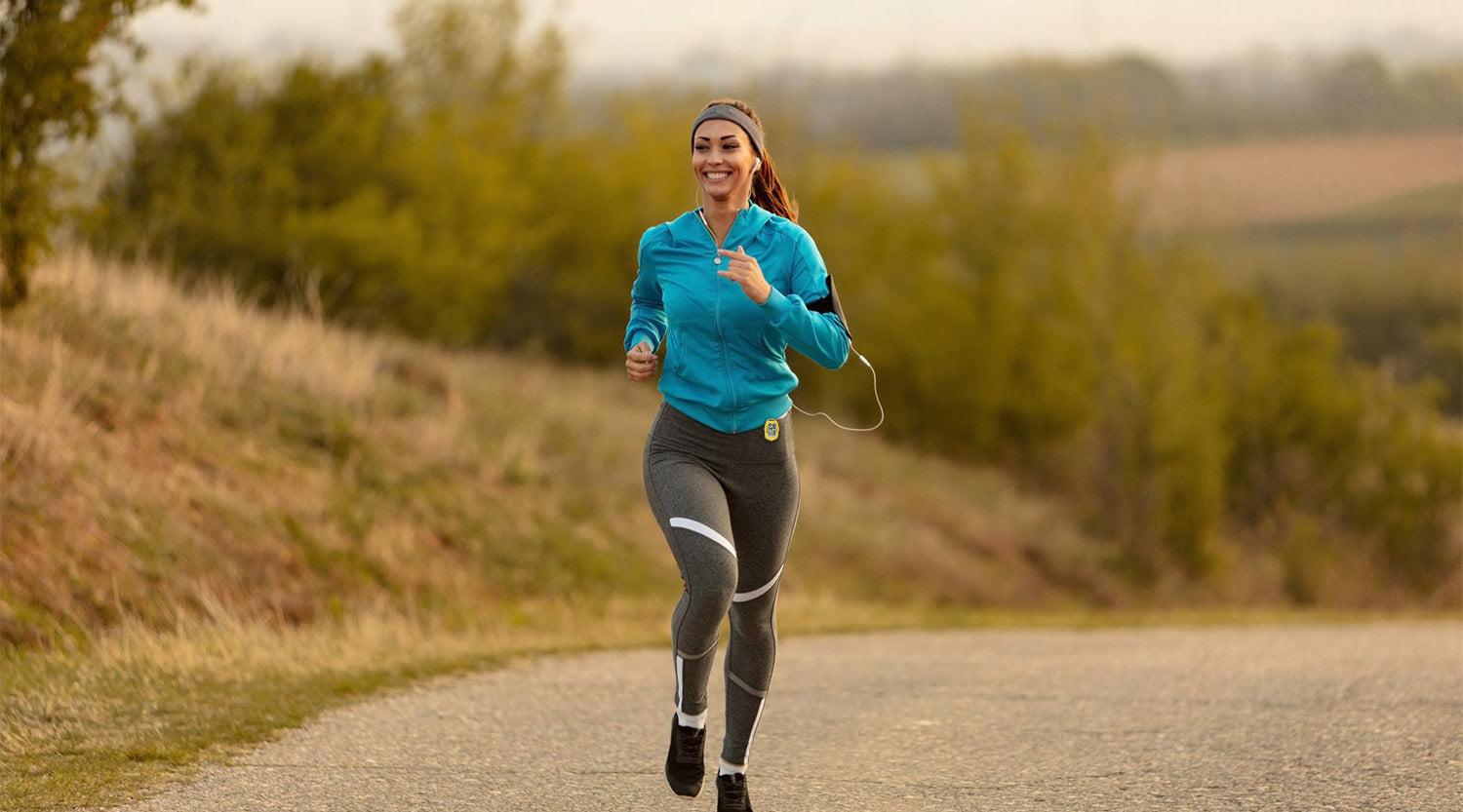
Most wellness trends cost something. Money, time, motivation you haven't got. Walking yoga costs nothing extra. You're already going for a walk. This just changes what you do with it. Searches jumped 2,400% last year, apparently. Spring's here, evenings are back. Worth five minutes of your time to understand what the fuss is about.
Not New - Just Rediscovered
Walking meditation's been around since the seventies. The core idea was always simple: mindfulness doesn't require a cushion and crossed legs. What's changed lately is people started adding yoga into it - actual breathwork, actual poses at pausing points, a pace slow enough to feel deliberate rather than just getting somewhere.
The difference from a normal walk is one word. Intention. You're not logging steps or overtaking people. You're paying attention to how your feet land, what your breathing's doing, what's around you. People who've tried sitting meditation and found it impossible - this tends to work where that didn't.
What Goes Into It
No yoga knowledge needed. But understanding each part explains why this isn't just a slower walk:
| Element | What it looks like | What it does |
|---|---|---|
|
Breathwork |
In 3 steps, out 5 steps |
Calms the nervous system faster than you'd expect. Try it and see. |
|
Pace |
Slower - properly slower |
Forces attention inward. Much harder than it sounds if you're normally rushing. |
|
Standing poses |
Tree, Mountain, or a side bend at a natural stop |
Balance, mobility, body awareness. A normal walk touches none of this. |
|
Sensory noticing |
Actively looking, listening, feeling |
Nature walk studies show noticing three positive things lifts mood measurably. This is how. |

Four Sessions to Try It
-
Session 1: Walk at half speed for 15 minutes. Breathe through your nose. That's it. Just notice how weird it feels not to be rushing somewhere.
-
Session 2: Add the breath count. Inhale for three steps, exhale for five. Feels odd for about 90 seconds, then it doesn't. The whole walk shifts.
-
Session 3: Pick a stopping spot - a bench, a tree, anything. Stand tall. Five slow breaths. Roll your shoulders. Walk on. That's Mountain Pose. You've done yoga.
-
Session 4+: A slow side bend or neck roll at your stop. Add whatever your body asks for. No fixed order. That's kind of the whole point.

What Actually Helps
Go somewhere green. A 2024 study found a single mindful walk in nature cut anxiety scores significantly vs the same walk on a built-up road. The setting matters more than people expect.
-
Phone off. Not face-down. Off. Mid-walk checking snaps you straight out of whatever state you'd built.
-
Don't skip the pauses. Awkward first time, useful by the third. The standing moments are where most of the benefit actually is.
-
Know your step count going in. Walking yoga covers 15-20% fewer steps at the same duration. You haven't underperformed - you've done something different.
One Thing Worth Knowing Upfront
This swaps step count for headspace. The kind you usually fill with a podcast. Some days that's exactly the trade you need. Other days you want pace and distance. Both are fine. They're just different things.
If balance is a concern - older adults, vestibular issues - skip the standing poses. The breathwork still does real work on its own.

FAQ's
-
Do I need to know yoga?
No. Start with slower walking and the breath count. The poses are optional at every stage.
-
Do steps still count?
Yes - every one of them. You'll cover fewer per minute, but it adds to your daily total. A clip-on pedometer tracks it without needing your phone.
-
Isn't this just a slow walk?
A slow walk still wanders mentally. Walking yoga means staying with your breath and body rather than drifting to your afternoon. That gap is where the mood and stress difference comes from.
-
How fast does it work?
Most people feel calmer after session one. Research shows measurable mood change from a single mindful walk. The effects build week on week.
-
Do I need to count steps or just time the intervals?
Timing is easier for most people. But a pedometer like the 3DFitBud is useful for checking whether your fast intervals are genuinely faster - if the step count per interval isn't changing much, you're probably not pushing hard enough during the brisk sections.
Make Your Fast Intervals Count
The difference between a genuine fast interval & a slightly-brisker-stroll is easy to miss without a number. The 3DFitBud Simple Step Counter clips to your waistband & tracks every step through both intervals - so you can actually see whether your pace is shifting the way it should. No phone, no app, no fuss.
Shop the 3DFitBud Now