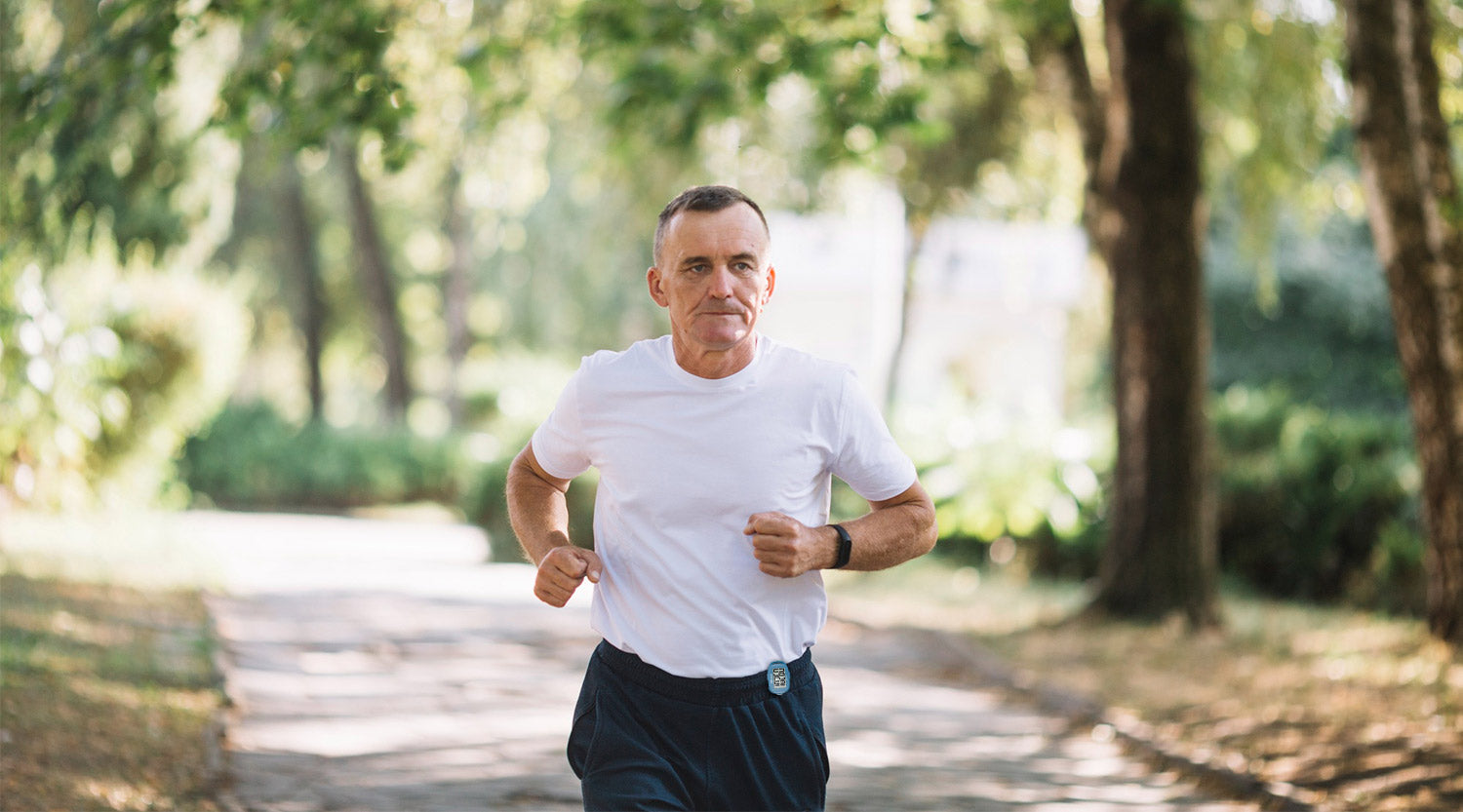
Most people wake up & reach for their phone within three minutes. By the time they've had a shower they've already had fifteen small dopamine hits from notifications, headlines & someone else's weekend. Their brain is depleted before the day has started. The dopamine walk is a direct response to this. And the reason it's taken off on TikTok & YouTube in 2025 isn't hype - it's because the science behind it is genuinely solid.
WHAT YOUR PHONE IS DOING TO YOUR BRAIN BEFORE 8AM
Dopamine is not the pleasure chemical - that's the popular oversimplification. It's the anticipation chemical. It fires when you expect a reward, not necessarily when you receive one. Social media is engineered around this exact mechanism. Every scroll is a small bet: will the next post be interesting, funny, or validating? The variable reward pattern that makes slot machines compelling is identical to the one running inside every feed.
Check your phone first thing & you start a cycle that's genuinely hard to break before midday. Your brain gets conditioned to need that level of stimulation - so everything that requires sustained attention feels harder afterwards. A 2025 study in Perspectives in Public Health named dopamine-scrolling as a distinct behavioural pattern with measurable effects on focus & mental wellbeing. This isn't a metaphor for screen addiction. It's specific neuroscience with a specific fix.
WHAT THE DOPAMINE WALK DOES
The dopamine walk pulls from the low dopamine morning trend that went viral on TikTok - the idea of protecting your brain's reward system in the first hour of the day by not flooding it with screen stimulation. Walk outside before checking your phone. No headphones. Natural light. Twenty minutes. That's the entire practice & here's what it actually changes:
COMPARISON TABLE: Phone-First Morning vs Dopamine Walk Morning
|
Key Metric |
Phone-First Morning |
Dopamine Walk Morning |
|---|---|---|
|
Dopamine state |
Depleted by variable reward scrolling before 8am |
Reset - baseline sensitivity restored |
|
Cortisol |
Spiked by notifications & news before natural peak |
Rises naturally with movement & morning light |
|
Focus by 10am |
Distracted - brain still chasing quick hits |
Clearer - reward system hasn't been fried yet |
|
Mood |
Flat or mildly anxious - comparison & news spiral |
More even - BDNF & serotonin both elevated from movement |
|
Steps by 9am |
Zero |
2,500–3,500 already on the board |
The steps-by-9am row is the one most people ignore. A 25-minute walk before work puts 2,500–3,500 steps on the board before you've opened a laptop. For anyone trying to hit a daily step target, starting from zero at 9am is a much harder climb than starting from 3,000.

HOW TO DO IT - THE THREE RULES & HOW TO TRACK IT
There's no complicated protocol. Three rules, all of them obvious once you understand the mechanism.
-
Leave your phone at home - or put it on flight mode in your pocket. Not in your hand, not in your ear. You're not giving your brain the variable reward stimulus it's been conditioned to expect. Let the baseline reset.
-
Go outside within the first hour of waking up. Morning light signals your circadian system to start the natural cortisol rise that should be happening anyway - not the anxious spike from reading bad news. Even an overcast UK morning has enough ambient light to trigger this.
-
Walk for 20–30 minutes at whatever pace feels right. This isn't a workout. No pace target. The walk is a nervous system reset, not cardio. Move, breathe, notice things.
-
Track your steps with something that isn't your phone. Checking a step app mid-walk immediately breaks the reset. A clip-on pedometer shows you the count when you get back - no screen, no notifications, nothing to scroll into.
Start with three mornings a week. Most people find that by week two they're choosing the walk over the scroll - because the difference in focus & mood by 10am is noticeable enough to become self-reinforcing. The habit earns its place.

THINGS THAT HELP IT STICK
-
Put your walking shoes by the bed the night before. Decision fatigue kills morning habits. Remove the friction entirely.
-
A ten-minute walk round the block still counts. Not every morning is a 30-minute park loop. Ten minutes of no-screen outdoor time is still a better start than another half hour of scrolling.
-
Notice how you feel at 10am on walk mornings versus phone mornings. That comparison is the most powerful motivator - more powerful than any information in this post. Let the result convince you.
-
The headphones rule is the hardest part & also the most important. Save podcasts & playlists for the commute. This twenty minutes is for your brain, not your ears.

NOTE: The dopamine walk isn't a substitute for professional support with depression, anxiety, or ADHD - though all three conditions benefit from daily outdoor movement. If you're struggling beyond daily stress, your GP can refer you to NHS Talking Therapies.
FAQs
-
Does it have to be first thing in the morning?
Mornings produce the strongest effect because that's when your circadian cortisol peak is happening & when your dopamine system is most vulnerable to being derailed. But a screen-free outdoor walk at any time of day delivers the core benefit. Lunchtime works well if mornings are genuinely unworkable.
-
Can I listen to music or a podcast?
Not if you want a dopamine walk specifically. The mechanism depends on not giving your brain a curated input stream. Silence - or just ambient sound - is what lets your default mode network settle rather than chase the next thing. Try it without headphones at least three times before deciding it's not for you.
-
How many steps does a typical dopamine walk cover?
A 20–25 minute walk at a moderate pace usually lands between 2,500 & 3,500 steps. That's a meaningful chunk of any daily target done before your laptop opens. A waist-worn pedometer like the 3DFitBud tells you your count the moment you're back - without needing to open your phone.
-
Will this actually help with focus & productivity?
Yes - & the research backs why. Outdoor movement increases BDNF, which improves memory & learning. Cortisol rises naturally rather than anxiously. Serotonin goes up. And the screen-free element prevents the early-morning dopamine depletion that makes sustained attention harder. Most people who do this consistently for two weeks notice the difference without needing to be told it's working.
-
I'm not a morning person - is this still worth trying
Not being a morning person' is often just the result of a phone-first morning routine disrupting your natural cortisol rhythm. Give it a week of going outside before the screen & see if the label still fits. For a significant number of people who try this, it doesn't.
Track the Walk. Leave the Phone at Home.
The whole point is no screens. A phone step counter only works if you take your phone - which defeats the purpose entirely. The 3DFitBud Simple Step Counter clips to your waistband, counts every step without a phone, needs no charging & shows you the number when you're back. One less reason to take your phone out the door.
Shop the 3DFitBud Now