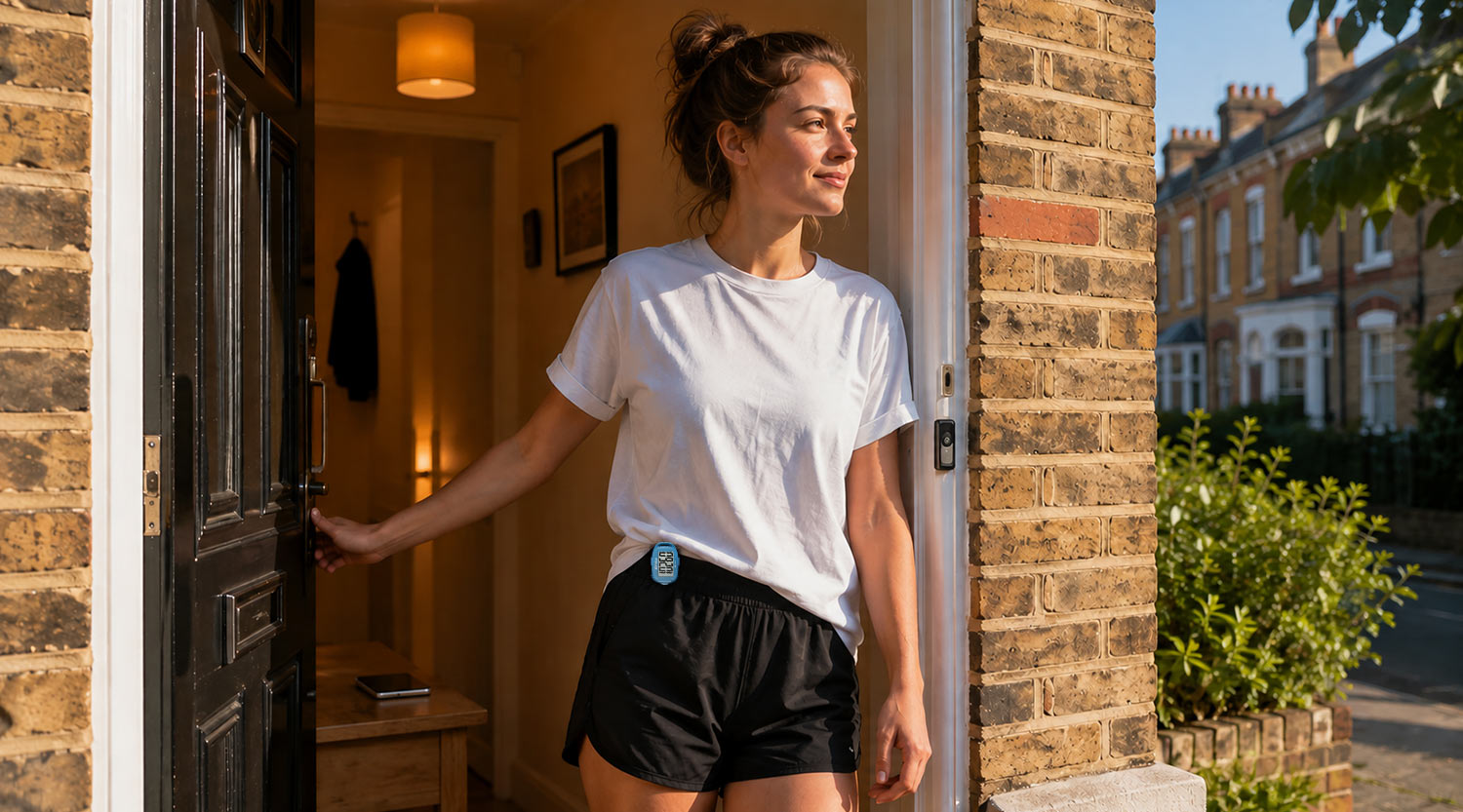
The average UK gym membership costs £50 a month. Most people use it 1.5 times a week. That's roughly £8 a session - for something that leaves you sedentary the other five days. Meanwhile, the health habit that research consistently backs costs £24.99 once and lasts a year. Do the maths.
Why the Gym Isn't the Problem - But It's Probably Not the Solution Either
Nobody's saying the gym is bad. But the benefit of a workout doesn't carry over five days to your next session. What does carry over is daily movement. And daily movement is what most gym members aren't getting.
The health outcomes tied to consistent walking - cardiovascular function, blood sugar management, sleep, mood - come from showing up every day at a moderate level. Not from two hard sessions bookended by three days on a sofa. That's the gap most gym memberships sit in. And it costs £600 a year.
What £25 Gets You - Side by Side
|
|
Gym Membership (~£50/month) |
3DFitBud (£24.99 one-off) |
|---|---|---|
|
Annual cost |
£600 |
£24.99 |
|
Needs a dedicated trip |
Yes |
No - counts all daily movement |
|
Health benefit on non-visit days |
None |
Every step, every day |
|
Accurate step tracking |
No |
Yes - 3D tri-axis, waist-worn |
|
Works without a smartphone |
No |
Yes |
|
Needs charging |
- |
No - battery lasts 12 months |
|
Monthly guilt |
High |
Zero |

That last row is the one nobody talks about. A gym membership you're underusing doesn't just waste money. It makes you feel worse about yourself on the days you don't go. A step counter has no opinion about your choices. It just tells you the number.
Why Accuracy Actually Matters
Phone step counters miss 15–20% of steps in real use. The phone isn't always on your body. It's on your desk, in your bag, being held still while you talk. The count is wrong and you're making decisions based on it.
A waist-worn pedometer tracks your centre of gravity - where walking motion is clearest. It doesn't miss the kitchen trip, the walk to the bus, the lunchtime loop. That gap between what people think they're doing and what they're actually doing is exactly where most health habits fall apart.

A Four-Week Start - Right Now, While the Evenings Are Long
28th July. The long summer evenings aren't going anywhere yet, and there's still a full month of light nights before the clocks even think about changing. Starting now means every week of this plan happens outdoors, not in the dark.
-
This week: Clip it on first thing and forget about it. Check your average after three days. That's your real baseline - not what you assumed.
-
Week two: Add 1,500 steps above that baseline. One 15-minute walk covers it. Attach it to something fixed - after dinner while it's still light, the walk to the shop instead of the car, first thing before the day heats up.
-
Week three: Push for 6,500–7,000 daily. This is where the research on cardiovascular and metabolic benefit starts stacking up.
-
Week four: Hold that number. Don't raise it. Consistency for four solid weeks builds a habit. That's worth more than a spike.
Four weeks from now lands you right around the August Bank Holiday weekend - a good natural point to check in on how far the habit has stuck, with a real picture of how much you move, a daily step habit that costs nothing to maintain, and roughly £575 still in your account.

FAQ's
-
Is a pedometer actually better than my phone?
In everyday use, yes. Your phone only counts steps when it's moving with you. Leave it on a desk or carry it in a bag and the count drops significantly. A waist-worn pedometer tracks all day regardless of what your hands are doing.
-
Can walking replace the gym?
For general health - cardiovascular function, sleep, blood sugar, mood - daily walking at 7,000–10,000 steps competes well with gym-based exercise in the research. If muscle mass is the goal, the gym wins. For most people whose goal is simply feeling better, walking every day outperforms the gym twice a week.
-
Why does accuracy matter? Isn't close enough fine?
ANot if it's consistently wrong in one direction. An app that undercounts by 15% means your targets are off, your sense of progress is off, and you're making "I've done enough" decisions on bad data. Over weeks, that compounds.
-
What's the catch with the 3DFitBud at £24.99?
No catch. It doesn't track heart rate, sleep, or calories. It counts steps accurately, stores 30 days of data, and the battery lasts about a year. If you need more than that, a smartwatch starts at around £150 and needs daily charging. Most people don't need more than that.
-
What if I actually enjoy the gym?
TKeep going. This isn't anti-gym - it's anti-paying-for-something-you-don't-use. If you're choosing between a membership you visit twice a week and a daily step habit, the daily habit wins on health outcomes. You can do both. But one of them is £25.
£24.99. One decision. Every day for a year
The 3DFitBud Simple Step Counter clips to your waistband, counts accurately, needs no charging, and shows you the one number that tells you whether you actually moved today. No membership. No contract. No guilt. Shop the 3DFitBud at uk.3dactive.com
Shop the 3DFitBud Now