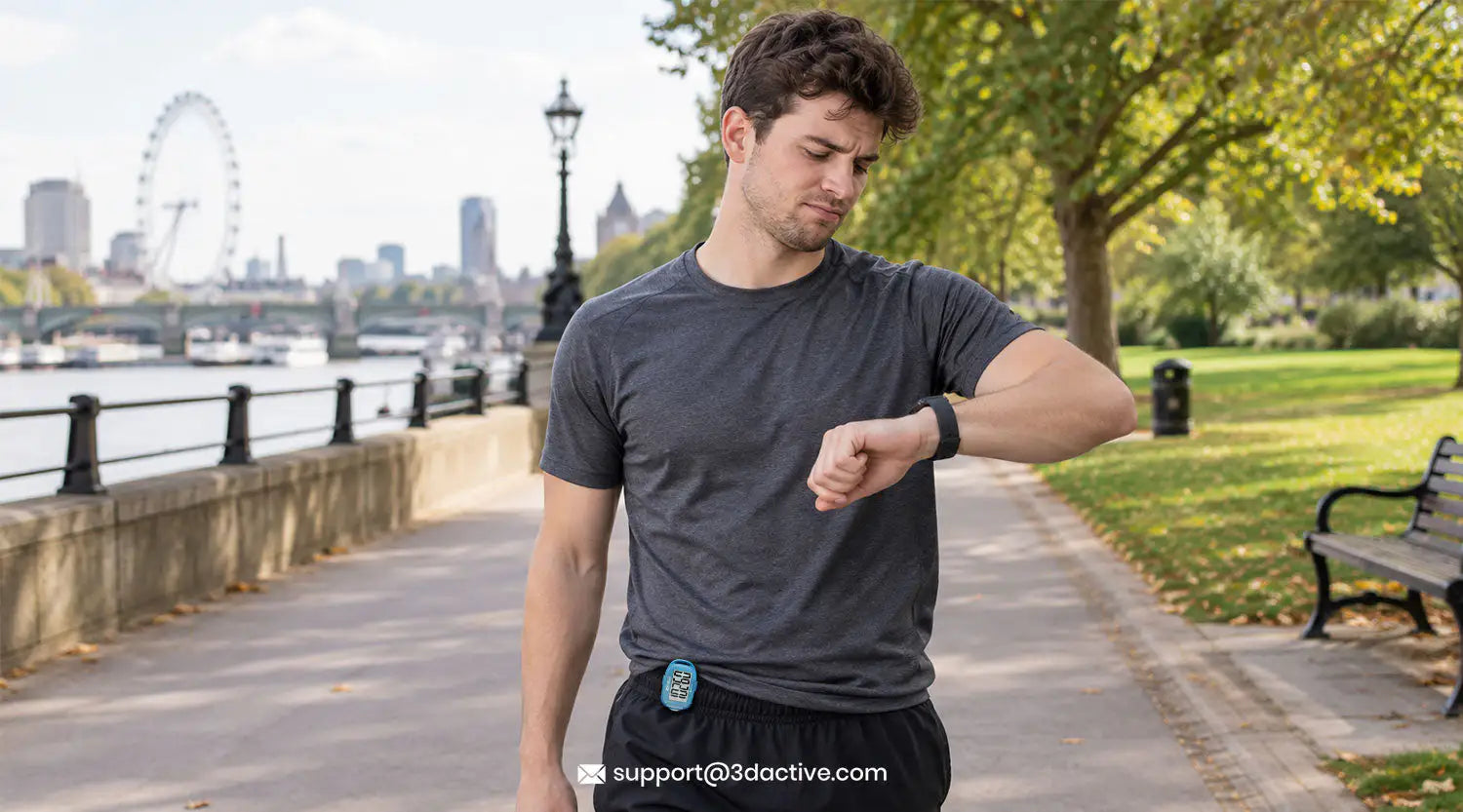
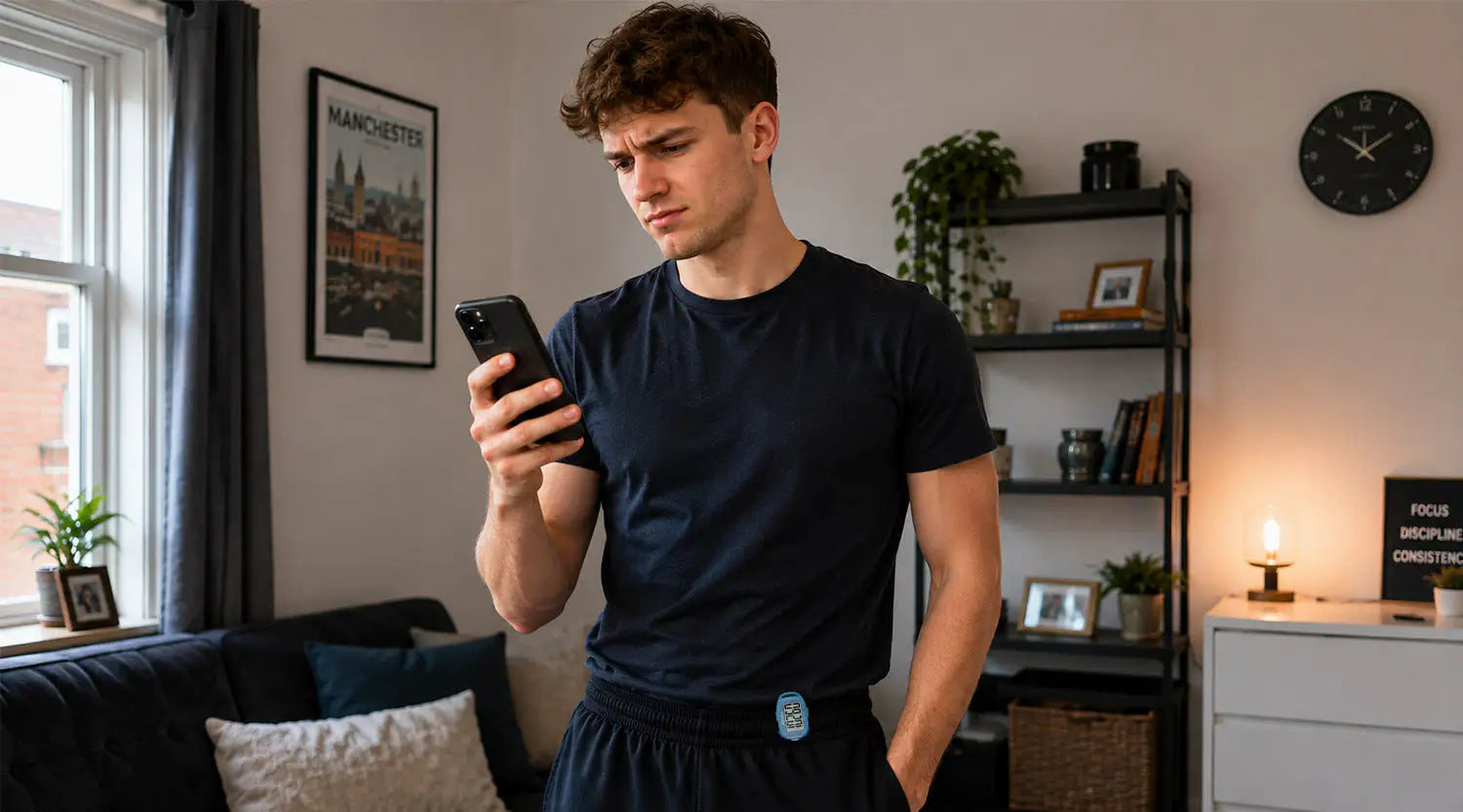
September is the most anxious month on the calendar for a lot of people under 30. New university year. New job. New city. The long run of summer where everything could be deferred has ended and now the inbox, the timetable and the social obligations are all real again. If you're reading this in the first week of September feeling like everything is slightly too much - that's not a character flaw. Here's the one thing that actually shifts it and why it works when it's the last thing you feel like doing.
What Anxiety Does - and Why Staying Still Makes It Worse
When anxiety is loud, the instinct is to withdraw. Cancel the plan. Stay in. Scroll for a bit. It makes sense as a response. It also makes anxiety worse.
Anxiety keeps your nervous system in low-level threat mode. Your amygdala stays activated, cortisol stays elevated and your body stays prepared for a danger that isn't coming. Staying still gives it no signal that the coast is clear. Scrolling adds more input to an already overloaded system.
Walking sends the opposite signal. Your body interprets physical movement as a response to the threat - you moved, therefore the situation is being handled, therefore the alarm can begin to quiet. This is not a metaphor. It's the actual physiological mechanism and it starts within the first ten minutes.
What the Research Says - Specifically About Your Age Group
A 2024 study published in the International Journal of Exercise Science looked at exactly this. University students - average age 20.9 years, many with diagnosed mental health conditions - did a single guided walking session of under a mile. After one walk, state anxiety scores dropped significantly, stress reduced and mindfulness scores improved. One session. Not a twelve-week programme. One walk.
The longer-term benefit - where your anxiety baseline genuinely lowers over weeks - requires consistency. But the reason to go today is the two-hour window of relative quiet you get on the other side of a twenty-minute walk.

The Initiation Problem - and the Fix
The trouble with "just go for a walk" advice is it ignores how hard it is to start anything when anxiety is running. Task initiation is neurologically harder when your nervous system is in threat mode. So the advice isn't wrong - it's incomplete.
Three things that actually help:
-
Lower the bar completely. Not a walk. Not a route. Shoes on, front door open, one step outside. The walk almost always follows from that single step - but the only commitment is getting outside the door.
-
Set a step target, not a time target. Time feels elastic when you're anxious. A number is concrete. Aim for 2,000 steps. When you hit it, you're done if you want to be. A clip-on pedometer like the 3DFitBud counts without requiring your phone, which matters - getting your phone out is a direct route back into the notification loop.
-
Don't optimise the walk. No playlist selected, no route planned. The mental overhead of preparing the perfect walk is another barrier. Go out the door and move in any direction.

What It Does - At a Glance
|
Anxiety Trigger |
What Walking Does |
|---|---|
|
Overthinking and rumination |
Prefrontal cortex activity increases - looping reduces |
|
Social anxiety before an event |
Cortisol drops within 10 minutes, physical symptoms ease |
|
Morning anxiety before the day starts |
Morning light and movement anchors your cortisol rhythm |
|
The afternoon anxiety spike |
Post-lunch walk prevents the energy-anxiety compound |
FAQ's
-
How do I know if my current device is overcounting or undercounting?
The most reliable test is walking exactly 100 steps while counting manually, then checking what your device recorded. Anything outside 95–105 suggests meaningful inaccuracy. A waist-worn dedicated pedometer compared side-by-side with your current device for a full week will show the gap clearly - most people find it's larger than they expected.
-
Does it matter which pocket my phone is in?
Yes, significantly. A front trouser pocket gives a phone its best chance at accurate step counting because the phone moves consistently with your hip. A jacket pocket, back pocket or bag all reduce accuracy meaningfully. The problem is most people don't carry their phone in the same place all day - which is exactly why the reading fluctuates.
-
Is a smartwatch always less accurate than a clip-on pedometer?
For dedicated step counting in everyday conditions - yes, consistently. Smartwatches are more accurate during structured exercise with natural arm swing. For real life, with all its arm-restricted activity, a waist-worn pedometer wins on the specific metric of step count accuracy.
-
I've been using my phone's step count as my baseline for months. Should I start over?
Not necessarily. If you've been consistently underestimating, switching to an accurate device will show higher daily counts - which is actually motivating. The goal isn't to punish yourself for the old data. It's to build a target based on what's actually happening, not what a phone app estimated from a bag.
-
Why don't more people know about this?
Partly because it's not interesting content. "Your phone is slightly wrong" doesn't drive clicks the way "10 exercises for abs" does. And partly because the brands making the devices that are less accurate are the ones with marketing budgets large enough to dominate the conversation. The research has been there for years. It just doesn't have a PR team.
Know Your Actual Number - Not the Estimated One
The gap between your real step count and what your phone shows you is probably bigger than you'd expect. The 3DFitBud Simple Step Counter clips to your waistband, uses a 3D tri-axis sensor for under 5% error, runs for up to 12 months on a single battery and needs no phone to function. One week of accurate data changes how you think about your step habit - because you'll finally be working with real numbers.
Shop the 3DFitBud Now